Social host liability laws
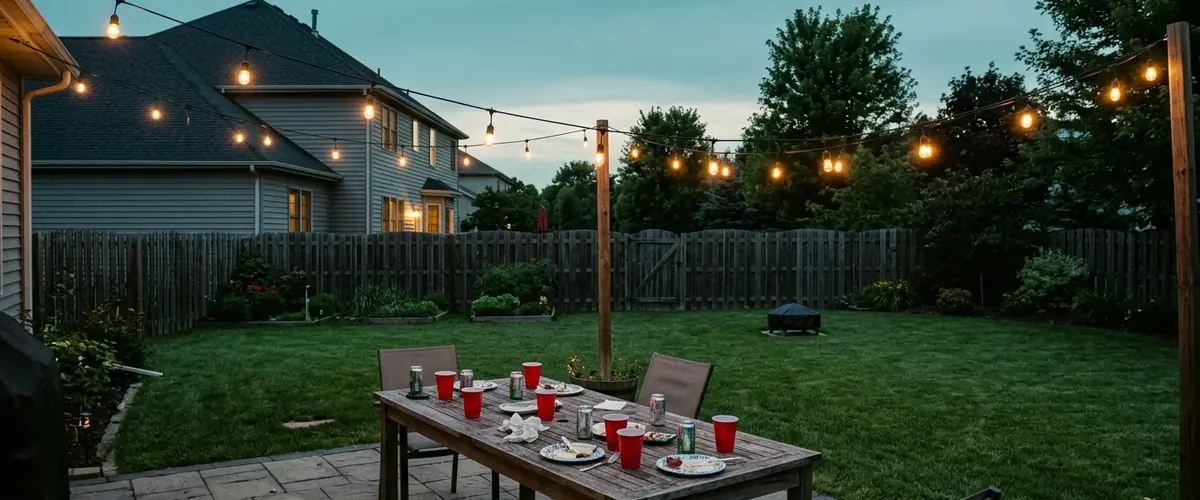
A social host liability law holds adults responsible when underage drinking happens on property they own, rent or control, whether or not they supplied the alcohol. These laws are meant to stop "safe at home" teen parties, which research links to drinking and driving and injuries.
Two kinds of liability
- Criminal or civil penalties: state laws and local social host ordinances (SHOs) can impose fines, community service or jail for hosting a party where minors drink. Many cities and counties have their own ordinances on top of state law.
- Civil (tort) liability: in many states, a host who serves or allows minors to drink can be sued if the minor or someone else is hurt as a result, for example in a crash after the party.
What usually counts
- You knew, or reasonably should have known, that people under 21 were drinking on your property.
- You failed to take reasonable steps to stop it.
- Many laws apply even when the host is not home, and some apply to renters as well as owners.
Where to check the law for your state
The federal Alcohol Policy Information System (APIS), run by NIAAA, tracks state social host laws and their elements. Your city or county clerk can tell you whether a local ordinance applies. For legal advice about a specific situation, talk to a licensed attorney in your state.
If a teen in your life is already struggling
Underage drinking is sometimes a sign of a bigger problem. Many programs treat adolescents separately from adults and involve the family. Browse teen treatment programs by city or read how to help a loved one.